Safari Website

Best Time for Kilimanjaro Climb 2026 & 2027

Best Time to Climb Kilimanjaro – Weather, Seasons & Temperatures Guide!

Climbing Mount Kilimanjaro is possible throughout the year, but choosing the right season can greatly improve your overall experience. Weather conditions influence trail comfort, visibility, crowd levels, and summit success rates. At Moshar Tours, we generally recommend climbing between mid-December to March and mid-June to October, when weather conditions are most favorable. Below is a detailed seasonal breakdown to help you plan your adventure.

Kilimanjaro Climbing Seasons Explained

Short Dry Season (Mid-December – March)
Late December through March is an excellent period for climbing Kilimanjaro. Although occasional rain showers occur, they are typically light and short-lived.
What to expect:

Snow-covered landscapes near the summit create spectacular scenery and unique photography opportunities. Because temperatures are slightly colder, these months tend to attract travelers seeking quieter trails rather than crowds.

Long Rainy Season (April – May)
April and May are considered the wettest months on Kilimanjaro. Heavy rainfall mainly affects the rainforest zone, making trails muddy and trekking more physically demanding.
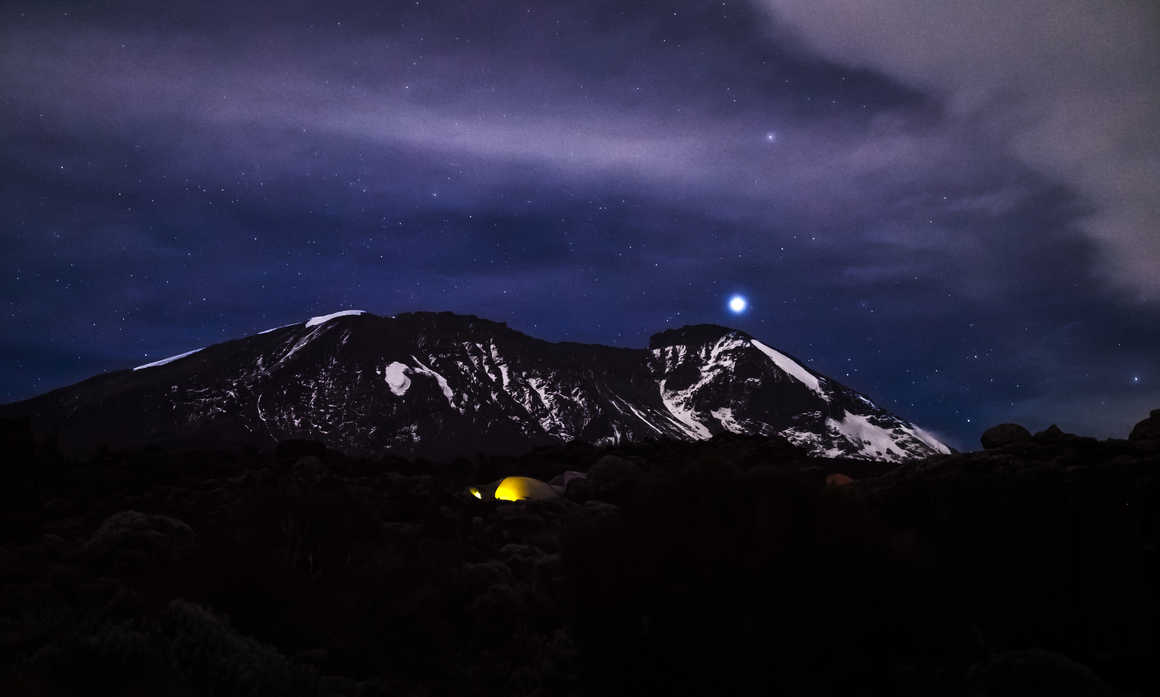
While not the most comfortable time to climb, adventurous trekkers may appreciate the peaceful atmosphere and lush green scenery.
Long Dry Season (June – October)
This is the most popular climbing period and widely regarded as the best time to summit Kilimanjaro.
Advantages include: Clear skies often reveal sweeping views across the African plains. However, these months coincide with summer holidays in Europe and North America, meaning routes can be busier.
Travelers seeking similar weather with fewer crowds may prefer January to March.
Short Rainy Season (November – Mid-December)
The short rainy season brings occasional heavy showers, particularly in the rainforest zone.
Key characteristics: Although conditions are less predictable, climbing is still possible. Some routes, particularly northern approaches, typically receive less rainfall and may offer better trekking conditions during this period.

Kilimanjaro Temperature by Climatic Zone

Due to its height of 5,895 meters above sea level, Kilimanjaro contains multiple climate zones — each with distinct temperatures and environments.
Rainforest Zone (800m – 3,000m)
Low Alpine Zone (3,000m – 4,200m) High Alpine Zone (4,200m – 5,000m) Arctic Summit Zone (Above 5,000m)

Kilimanjaro Climbers

Full Moon Climbs – A Unique Summit Experience

Summiting Kilimanjaro during a full moon offers one of the most magical mountain experiences imaginable. Moonlight illuminates the trail, reducing reliance on headlamps while creating shimmering reflections across glaciers and snowfields.
Many climbers describe full moon ascents as unforgettable due to:

Moshar Tours organizes full moon climbs for travelers seeking an extraordinary version of an already life-changing adventure.

What Is the Weather Like on Kilimanjaro?

Although Tanzania lies close to the Equator and experiences warm temperatures year-round, Kilimanjaro’s extreme elevation creates dramatically different weather conditions.
Trekkers may encounter:
Because rainfall varies across seasons, selecting the right month helps avoid muddy trails while balancing crowd levels and visibility.

OUR ASSOCIATED PARTNERS